How a Single Tool Page Can Bring 10k Monthly Visitors
Discover why single-purpose utility pages outrank 3,000-word blog posts. Learn the mechanics of direct search intent, zero-friction utilities, and how to scale organic search traffic.
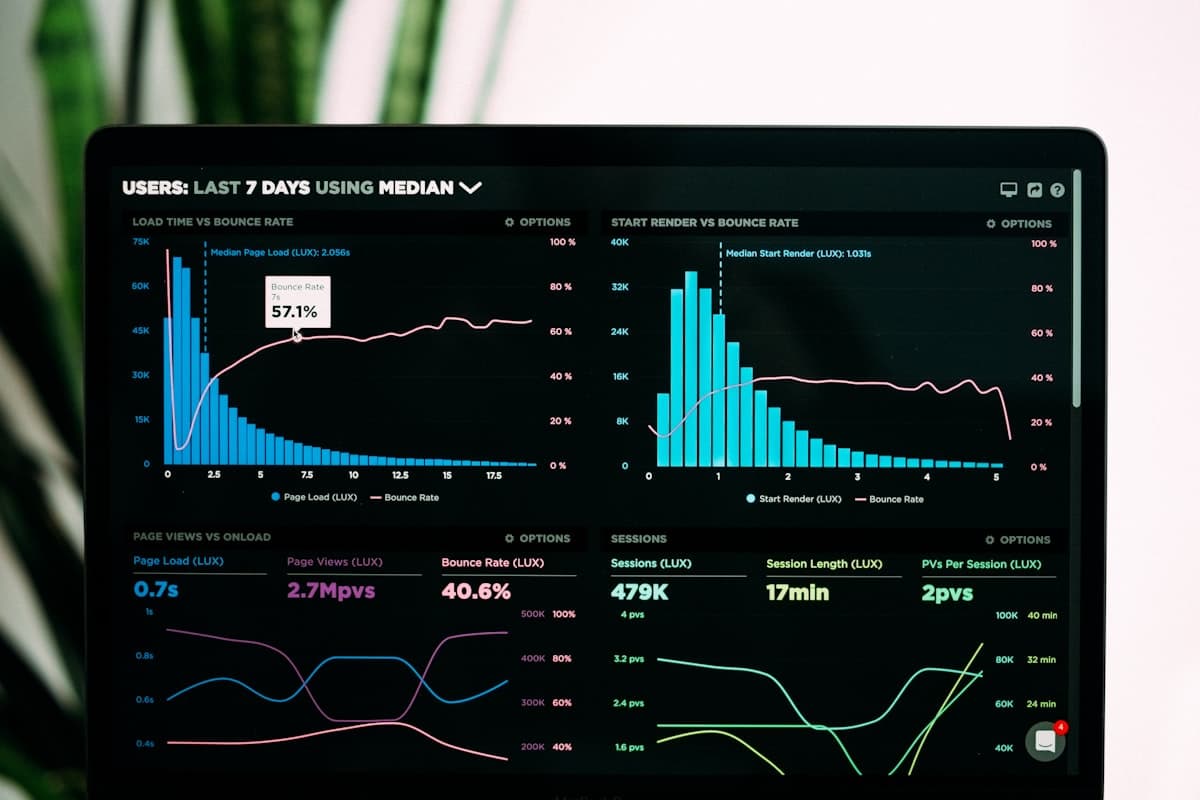
If you analyze the highest-traffic pages across modern web utilities, a striking pattern emerges: a single, dedicated tool page can easily attract 10,000 to 50,000 monthly organic visitors from Google without thousands of words of promotional fluff.
Most content marketers believe that ranking on Google requires drafting 3,000-word guides stuffed with generic stock photos. While long-form content works well for complex research queries, it fails completely when users have direct utility search intent.
When someone searches for time zone converter, word counter, or json formatter, they do not want an essay on the history of timekeeping or ASCII standards. They want an interactive calculator or parser that solves their problem in under five seconds.
Why Single Tool Pages Dominate Search Rankings
Search engines like Google prioritize pages that satisfy search intent with the least possible friction. Single-purpose browser tools enjoy massive structural SEO advantages over standard articles:
- Instant Time-to-Value: A user lands on the page, pastes their text or selects their numbers, and gets their answer immediately above the fold.
- Near-Zero Bounce Rate: Because the user interacts with form inputs, sliders, and buttons, user engagement signals stay exceptionally high.
- High Organic Dwell Time: Developers and writers often keep utility tabs open for hours while working on code or articles.
- Natural Backlink Attraction: Quality free tools get cited organically on GitHub, Stack Overflow, Reddit, and personal blogs without aggressive outreach.

The 4 Pillars of High-Ranking Tool Pages
Building a tool that ranks consistently on the first page of Google requires specific architectural choices:
1. Client-Side Memory Execution
Modern users demand privacy. When developers paste sensitive JSON payloads, API tokens, or company documents into a web tool, they do not want that data sent to a remote server. Tools built like Synctoolo run 100% in local browser memory using JavaScript and Web APIs. This guarantees zero server latency, instant sub-50ms interaction times, and complete data privacy.
2. The Above-the-Fold Law
Never force the user to scroll past advertisements, introductory paragraphs, or marketing banners to reach the tool. The input textarea or calculator controls must be visible the instant the page loads on desktop and mobile.
3. Real Educational Content Below the Canvas
While the interactive tool sits at the top, search crawlers still need comprehensive text to understand semantic context. Beneath the tool canvas, provide technical documentation, exact conversion formulas, edge-case FAQs, and real code examples. This structure allows human users to use the tool instantly while search engine crawlers index rich semantic content.
4. Zero Monetization Friction
Nothing kills search rankings faster than paywalls, mandatory account signups, or artificial daily limits. When users hit an email gate or a subscription prompt, they bounce back to Google results. Google detects this quick return (known as pogo-sticking) and downgrades the page rank. Providing a completely free, unrestricted tool keeps users on your site and builds long-term domain authority.
Internal Linking: Turning Tool Pages into Topic Clusters
A single tool page performs well on its own, but it becomes unstoppable when connected to related utilities. For example, a content creator drafting blog posts will frequently use:
- Our Word Counter to monitor article length and reading time.
- Our Slug Generator to generate clean, hyphen-separated permalinks.
- Our JSON Formatter to inspect structured data schemas.
By interlinking these tools with natural contextual anchors, search engines understand the thematic authority of your entire platform, boosting rankings across every category.
Summary
Capturing 10,000 monthly organic visitors does not require massive marketing budgets or hundreds of shallow blog posts. It requires identifying high-volume utility queries, building clean, client-side tools that load instantly, and placing the user experience above all else. That is the engineering philosophy behind Synctoolo.
Tools mentioned in this article
FAQ
Why do online tools rank faster than standard blog posts?+
Online tools satisfy direct utility search intent. Users immediately interact with form fields, keeping dwell time high and bounce rates low, which signals strong page quality to search engine algorithms.
Does an online tool need text content to rank on Google?+
Yes. While the interactive tool must sit above the fold for humans, comprehensive technical guides, formulas, and schema FAQs below the tool allow search crawlers to index relevant semantic keywords.
We build and review free, privacy-first tools at Synctoolo.
Keep reading
Separate SEO myths from reality. Understand Google's official Search Quality Guidelines regarding AI content, E-E-A-T requirements, and programmatic SEO risks.

Maximize organic search clicks. Learn exact pixel widths and character limits for Google desktop and mobile snippets, why Google rewrites descriptions, and 5 high-CTR templates.